Coal-fired power generation sees resurgence as nations prioritize energy security over climate targets
07/23/2026 / By Edison Reed
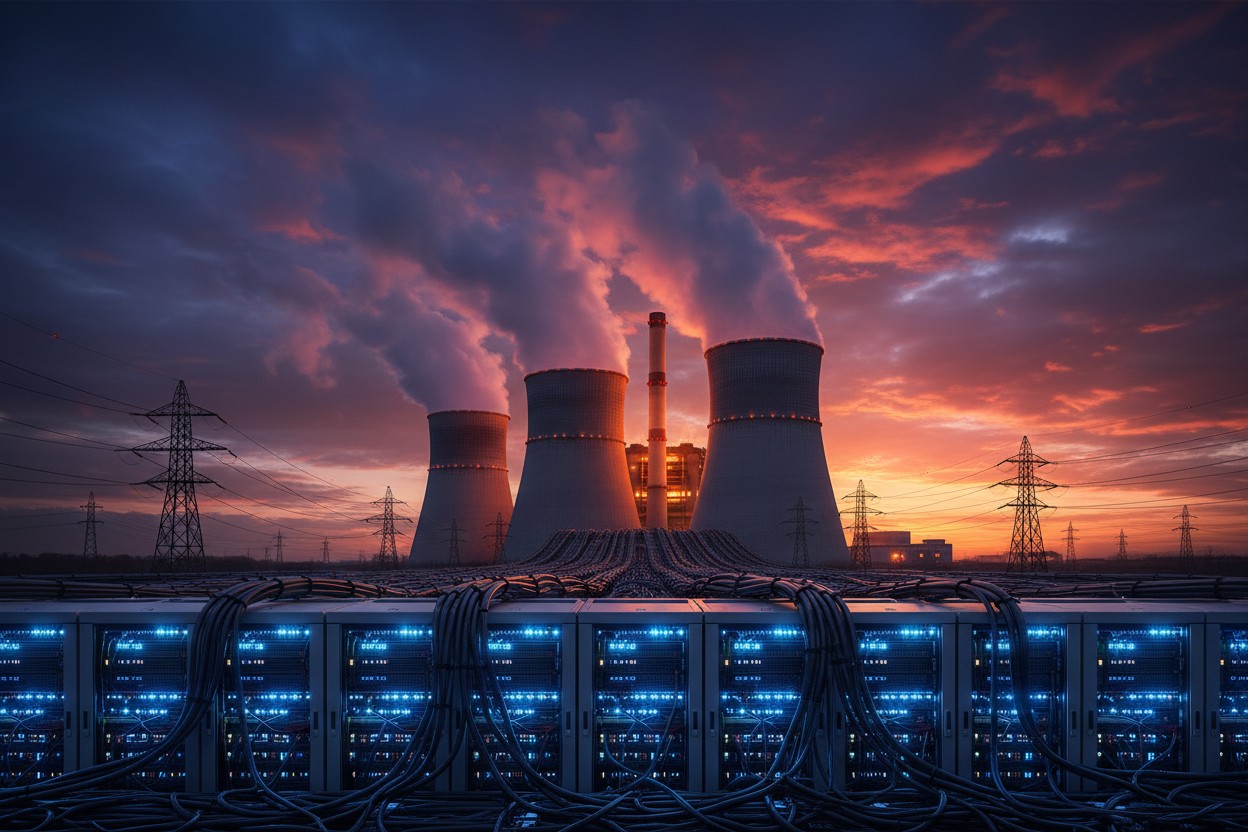
Coal-fired power generation is increasing globally as countries prioritize energy security over climate targets, according to recent data from the International Energy Agency (IEA) and national energy ministries. Global coal demand rose to an all-time high in 2025, reaching 8.85 billion metric tons, according to a report from the IEA cited by the Kobeissi Letter [1]. The surge is driven by rising electricity demand and supply disruptions, particularly in Asia and parts of Europe, officials said.
Rising electricity demand from data centers, artificial intelligence, and industrial growth is outpacing the expansion of renewable capacity, energy analysts said. In an interview on Brighteon Broadcast News, Mike Adams noted that U.S. power generation is falling behind, given the potential tripling in power demand by 2035 due to electric vehicles, AI, and data centers [2]. The trend underscores the persistent role of coal in meeting baseload power needs.
Energy security drives coal comeback
Geopolitical disruptions, including conflict in the Middle East, have prompted countries to seek reliable domestic power sources, according to energy analysts. A surge in liquefied natural gas prices to multi-year highs is accelerating a fuel-switching trend across Asia, with utilities increasing reliance on coal as a more economical and secure alternative to expensive imported gas, according to a report by Sterling Ashworth [3]. Global coal shipments and imports surged in March and April as buyers scrambled for fuel amid disrupted oil and gas supplies, according to estimates by analytics platform Kpler [4].
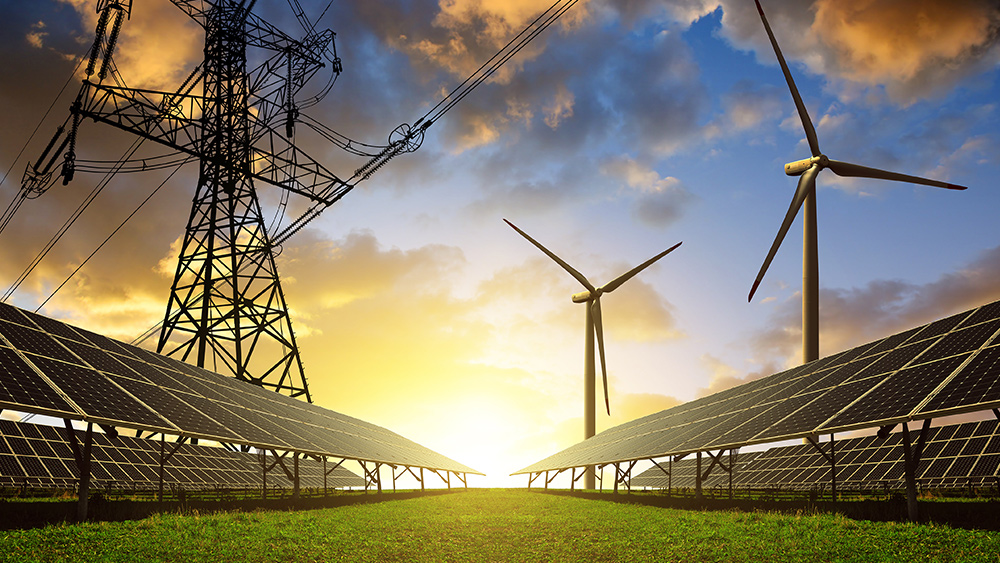
In North America, the Canadian province of Saskatchewan has moved to extend the life of its coal-fired power plants beyond 2030, defying federal climate rules, according to a report by Willow Tohi [5]. China and India continue to approve new coal plants to support industrial growth and grid stability. China commissioned 38.4 gigawatts of new coal capacity in 2020, equivalent to building more than one large plant every week, according to data from Global Energy Monitor [6]. Europe’s ruling elites face rising anger over energy chaos, with some governments reconsidering coal plant retirements to avoid blackouts during winter, according to analysis on Watts Up With That [7].
Economic factors and industrial demand
Low-cost coal power in China is providing a competitive edge to energy-intensive industries such as artificial intelligence and data centers, industry reports suggest. The artificial intelligence revolution is leaving green electricity states behind, as network operators choose states with policies favorable for gas-fired power to support new data centers, according to an analysis on Watts Up With That [8]. States that block data center construction or force reliance on wind and solar may lose the economic benefits of the AI boom, the analysis stated [8].
In an interview, Jeffrey Prather highlighted that China has demonstrated world-class efficacy in AI applications and is on track to achieve artificial general intelligence, fundamentally altering the global landscape [9]. The availability of cheap, reliable electricity from coal is drawing investment in manufacturing and computing infrastructure. A commentary on Watts Up With That noted that ‘low cost Chinese coal power is driving a decisive advantage over US AI businesses,’ reflecting one perspective on the competitive dynamics [8].
Policy responses and regulatory shifts
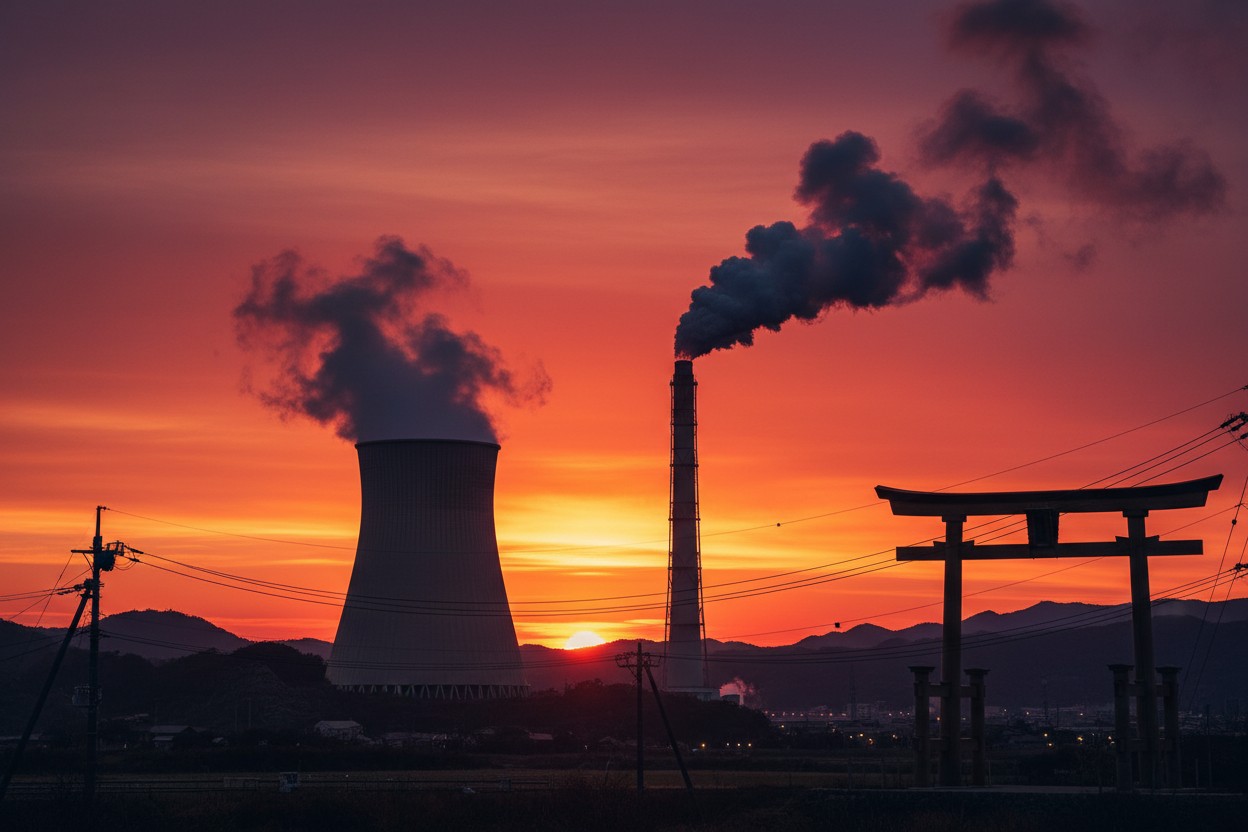
Several governments have revised climate targets to extend coal plant operations, often citing energy security as a higher priority, officials announced. Japan’s latest energy plan includes maintaining coal as a baseload source, according to a report by Edison Reed on NaturalNews.com [10]. The report claimed that Japan’s updated energy strategy, prioritizing coal-fired generation and nuclear restarts, may undermine the growth of renewable energy sources [10].
In the United States, President Donald Trump signed a series of executive orders in April 2025 aimed at revitalizing the coal industry, including a two-year exemption from certain environmental regulations, according to a report by Willow Tohi [11]. In February 2026, Trump directed the Pentagon to increase long-term purchases of electricity from coal-fired power plants, framing the move as a boost to energy security and grid reliability, according to a report by Laura Harris [12]. The Trump administration also advanced the repeal of the 2009 Endangerment Finding, a linchpin of climate regulations, according to a report by Willow Tohi [13].
Outlook for coal amid climate discussions
Proponents of coal argue that modern emission-control technologies can reduce environmental impacts, while critics highlight remaining pollution and carbon concerns. The IEA’s forecasts of coal’s demise have been repeatedly wrong, as the world is burning more coal now than ever, according to an analysis by Tom Harris via The Epoch Times [14]. Book author Robert Bryce noted that Bloomberg Philanthropies increased its commitment to the Beyond Coal campaign, illustrating the ongoing opposition from environmental groups [15].
International climate pledges continue to call for coal phase-down, but near-term trends indicate coal generation may remain elevated through the late 2020s. Economic factors, including the need for affordable and reliable electricity for AI and manufacturing, are likely to sustain coal demand, according to energy analysts. Observers said the tension between energy security and climate goals will shape policy debates in the coming years.
References
- Watts Up With That and America Out Loud. “Despite International Energy Agency forecasts, coal is booming!”. February 28, 2026.
- Mike Adams – Brighteon.com. “Brighteon Broadcast News – DIGITAL ENSLAVEMENT”. July 18, 2025.
- Sterling Ashworth. “LNG Price Spike Prompts Asian Shift to Coal-Fired Power Generation”. NaturalNews.com. April 2, 2026.
- Garrison Vance. “Worldwide Demand for Coal Spikes Amid Worsening Middle East Energy Crisis”. NaturalNews.com. May 13, 2026.
- Willow Tohi. “Decline of the North American Decarbonization Charade: Fossil Fuels Signal the End of Green Illusions”. NaturalNews.com. July 7, 2025.
- NaturalNews.com. “China built the equivalent of more than one large coal plant every week in 2020”. June 2, 2021.
- Watts Up With That. “The Times May Be A-Changin'”. July 4, 2026.
- Watts Up With That. “AI Revolution: Leaving Green Energy States Behind”. May 28, 2026.
- Mike Adams. “Mike Adams interview with Jeffrey Prather”. April 22, 2025.
- Edison Reed. “Japan’s Coal and Nuclear Expansion Poses Risk to Renewable Energy Growth, Report Claims”. NaturalNews.com. May 1, 2026.
- Willow Tohi. “Trump signs executive orders to revitalize coal industry boosting energy security”. NaturalNews.com. April 10, 2025.
- Laura Harris. “Trump orders Pentagon to boost coal power purchases”. NaturalNews.com. February 14, 2026.
- Willow Tohi. “Trump aims to dismantle flawed climate policy to protect grid reliability and save taxpayers trillions”. NaturalNews.com. July 24, 2025.
- Tom Harris. “International Energy Agency Is Wrong To Forecast Coal’s Demise”. Zero Hedge. May 19, 2026.
- Robert Bryce. “A Question of Power: Electricity and the Wealth of Nations”.
Submit a correction >>
Tagged Under:
Asia, awakening, big government, chaos, coal, coal power, Collapse, economics, economy, energy, energy crisis, energy supply, Globalism, LNG prices, Middle East, money supply, national security, new energy report, non-renewable resources, nuclear, progress, risk, Strait of Hormuz, supply chain, WWIII
This article may contain statements that reflect the opinion of the author
RECENT NEWS & ARTICLES