New study reveals Yellowstone’s volcanic engine is shallower and more dynamic, forcing rethink of eruption risks
04/20/2026 / By Jacob Thomas
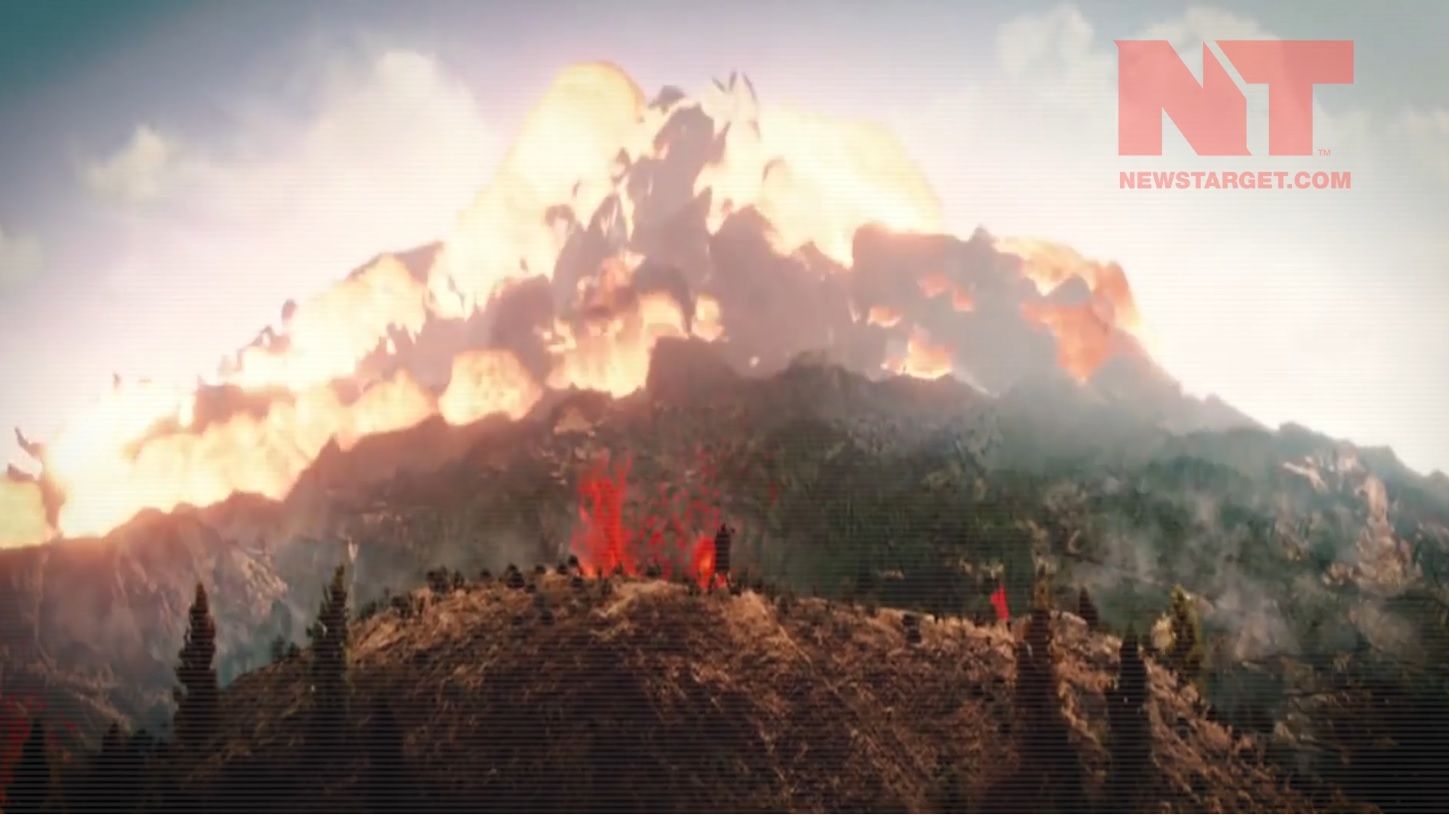
- A new study reveals Yellowstone’s supervolcano is fueled by a shallow, spread-out magma mush system, not a deep liquid chamber.
- This model suggests tectonic forces alone can fill the volcano’s chambers, changing the understanding of how an eruption might start.
- Separate AI analysis detected tens of thousands of previously hidden earthquakes, highlighting the system’s dynamic and restless nature.
- While the annual probability of a supereruption remains extremely low, the new data confirms the volcanic system is complex and active.
- A theoretical NASA plan to cool the magma by drilling is considered highly risky and impractical over human timescales.
In the heart of Yellowstone National Park, beneath its iconic geysers and sprawling wilderness, lies one of the planet’s most potent geological forces. A groundbreaking study now suggests the engine driving this supervolcano is fundamentally different, and closer to the surface, than scientists ever imagined, forcing a major reassessment of how such a cataclysm might begin.
For decades, the prevailing theory depicted supervolcanoes like Yellowstone as being fed by vast, deep chambers of liquid magma, filled by narrow plumes of superheated rock rising from the Earth’s mantle. New research published in the journal Science by a team of Chinese researchers overturns that model. Their findings reveal that Yellowstone sits atop a large, spread-out zone of partially molten rock known as a magma mush system, located just below the Earth’s rigid outer crust.
As noted by BrightU.AI‘s Enoch, a mush reservoir is a region within a volcano predominantly filled with solid crystals, with the hot, semi-fluid magma occupying only the interstitial gaps between them. This model replaces the traditional concept of a large, fluid-filled magma chamber, which has never been directly observed.
“The important consequence of this discovery is that Yellowstone can fill its potentially explosive magma chambers through tectonic activity alone, without any need for a deep magma plume,” the study implies. This shallow mush is fueled as tectonic forces stretch the crust, allowing material from the upper edges of the semi-molten mantle to seep upward.
Dr. Jamie Farrell, associate professor of geology and geophysics at the University of Utah, noted in a review that this understanding is crucial for evaluating hazards at the Yellowstone volcanic system and other similar volcanic systems around the world.
What the science says now
This revelation arrives alongside other disquieting data. A separate, recent analysis using artificial intelligence detected more than 86,000 hidden earthquakes within the Yellowstone Caldera between 2008 and 2022, a figure ten times higher than previously cataloged. Worryingly, over half of these tremors occurred in swarms, small clusters of seismic activity that have been known to precede volcanic events.
Researchers say these chaotic swarms, moving along young fault lines deep below the caldera, are likely caused by hydrothermal fluids forcing through rock. Experts generally interpret them as signs of the steam-driven eruptions that fuel geysers, not an impending magma eruption. However, their sheer volume underscores the dynamic and restless nature of the subsurface.
The Yellowstone supervolcano, anchored under a 30-by-45-mile caldera, has produced two supereruptions in the past 2.1 million years. Such an event today would be catastrophic, ejecting over 1,000 cubic kilometers of material. The U.S. Geological Survey (USGS) has long maintained that the annual probability of a supereruption is astronomically low, estimating perhaps 100,000 years before the system is likely ready for such an event. Yet, the new geological model and heightened seismic awareness confirm that the system is more complex and active than once presumed.
The renewed focus on Yellowstone’s hazards has revived discussion of a once-theoretical NASA proposal to mitigate the risk. The concept involved drilling up to six miles into the hydrothermal system to pump water at high pressure, slowly cooling the magma chamber. The extracted heat could potentially power a geothermal plant, offsetting the monumental cost.
However, the plan is fraught with peril. Scientists acknowledge that drilling directly into a pressurized magma system could be the very trigger for the eruption it aims to prevent. Even if executed perfectly from the sides, the cooling process would be excruciatingly slow, spanning tens of thousands of years, with no guarantee of success.
The beauty of Yellowstone National Park endures, but the science beneath it continues to evolve. Each discovery, from hidden quakes to shallow magma mush, deepens our understanding of the titanic forces at work, ensuring that one of Earth’s most closely watched volcanoes remains under an ever more informed gaze.
When will Yellowstone explode? Watch this video.
This video is from the Creative Society Official channel on Brighteon.com.
Sources include:
Submit a correction >>
Tagged Under:
caldera, catastrophe, drilling, Ecology, environ, eruption, geology, geothermal, magma, mitigation, mush system, NASA, natural disaster, preparedness, research, science journal, scientific, seismic activity, supervolcano, tectonic activity, volcanic hazard, Yellowstone
This article may contain statements that reflect the opinion of the author
RECENT NEWS & ARTICLES