Mercedes-Benz pays $150 million to settle state diesel emissions cheating claims
12/23/2025 / By Cassie B.
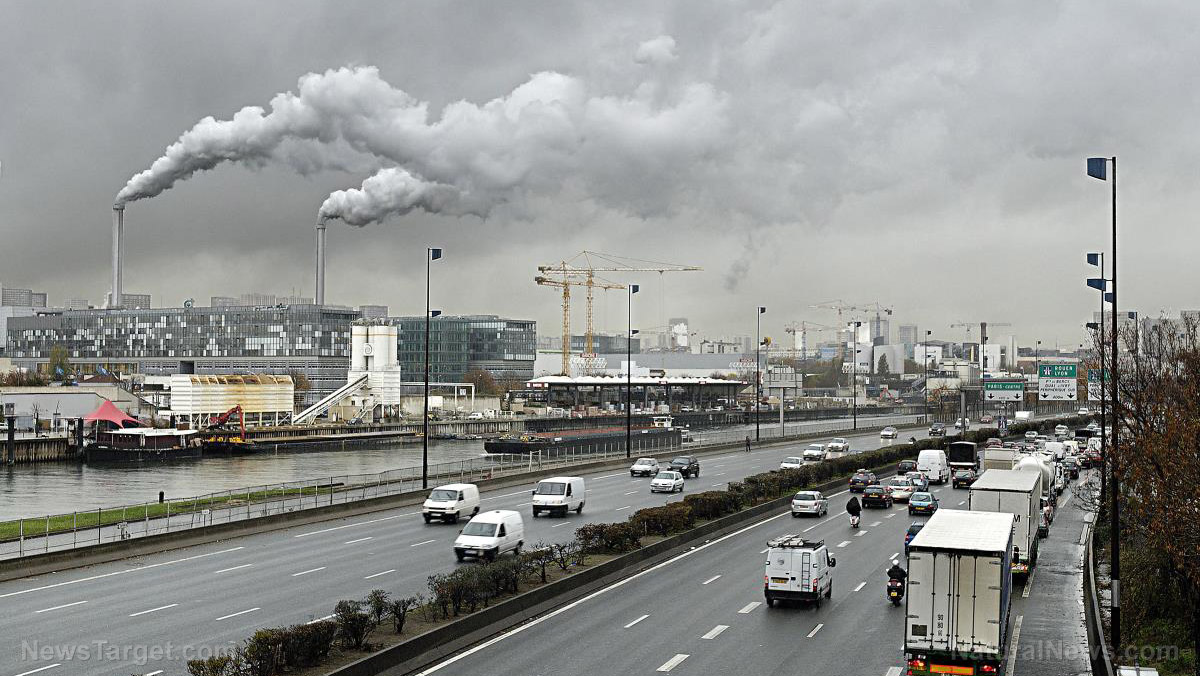
- Mercedes-Benz will pay up to $150 million to settle a diesel emissions cheating case with U.S. states.
- Officials allege the company sold more than 211,000 vehicles with illegal software from 2008 to 2016.
- The software allowed cars to emit pollutants at 30 to 40 times the legal limit on the road.
- State attorneys general called it a deliberate lie to gain an unfair market advantage.
- This settlement echoes the earlier Volkswagen scandal, suggesting broader industry collusion.
Another corporate giant has been brought to heel, forced to pay a massive sum for systematically deceiving the public and polluting the environment. Mercedes-Benz Group AG will pay up to $150 million to settle claims with nearly all U.S. states over its use of illegal “defeat devices” in diesel vehicles, a direct echo of the Volkswagen scandal that rocked the auto world a decade ago. The settlement, announced by state attorneys general on December 22, closes a major chapter in the long-running “dieselgate” saga, although the company continues to deny any wrongdoing.
This is not a story of accidental oversight; it is a calculated scheme. Officials allege that from 2008 to 2016, Mercedes sold more than 211,000 vehicles equipped with software designed to cheat. During official emissions tests, the software would activate full pollution controls, making the engines appear clean. Once on the open road, however, those controls were reduced, allowing the vehicles to emit nitrogen oxides at levels officials say were 30 to 40 times the legal limit.
“This was not a technical error or a paperwork mistake. It was a lie,” said Kathy Jennings, the attorney general of Delaware. “It was a deliberate effort to gain an unearned competitive advantage while leaving the public to foot the bill for the health and environmental impacts of their pollution.”
Car makers deceived the public for years
The settlement implicates Mercedes in the same web of deception that ensnared Volkswagen, which paid more than $20 billion to resolve U.S. claims after pleading guilty to criminal charges in 2017 for identical cheating. William Tong, attorney general of Connecticut, pointed to “a heavy dose of industrywide collusion” and “antitrust overtones” discovered during the states’ investigation. This suggests the diesel cheating was not an isolated corporate misstep but a broader, cynical strategy within the industry.
For years, Mercedes marketed these diesel vehicles as efficient and environmentally friendly alternatives to gasoline cars. Meanwhile, the hidden software was allowing them to spew excessive pollution linked to respiratory illnesses and smog. The states accused the company of violating environmental laws and statutes against unfair and deceptive trade practices, arguing it misled consumers and gained an illegal market advantage.
The terms of the agreement
Under the agreement with 48 states, Puerto Rico, and the District of Columbia, Mercedes will make an initial payment of $120 million. An additional $29.6 million is suspended but will be reduced by $750 for each affected vehicle the company repairs, takes off the market, or buys back. The deal also requires Mercedes to provide $2,000 to eligible owners who get the required emissions repairs, cover the repair costs, and offer an extended warranty.
A Mercedes spokesperson stated, “a sufficient provision has been made for the costs of the overall settlement,” noting the group’s bottom-line earnings would not be affected. The company confirmed the settlement but maintained its position, saying it “continues to regard the accusations made as unfounded.”
This settlement effectively draws a line under Mercedes’ dieselgate legal issues in the United States, following a separate $2.2 billion settlement with the federal government and vehicle owners in 2020. However, the global reckoning is far from over. The company still faces a mass lawsuit in England alongside other automakers like Ford and Renault.
The dieselgate scandal, now entering its second decade, reveals a troubling truth about corporate power and environmental regulation. While billion-dollar fines make headlines, they often become mere cost-of-business calculations for multinational corporations. The real cost is borne by the public in compromised health and a damaged environment.
Sources for this article include:
Submit a correction >>
Tagged Under:
clean air, conspiracy, corruption, debt bomb, deception, dieselgate, Emissions, environ, Mercedes, pensions, risk, Volkswagen
This article may contain statements that reflect the opinion of the author
RECENT NEWS & ARTICLES