The forecast that fizzled: A hurricane season of quiet contradiction
12/05/2025 / By Willow Tohi
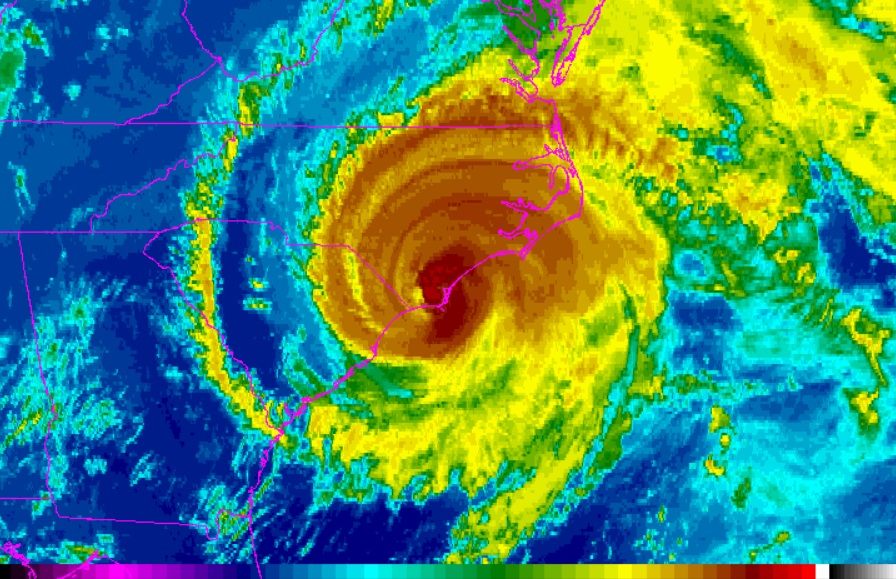
- The 2025 Atlantic hurricane season concluded with below-average activity, featuring only five hurricanes and no U.S. landfalls.
- Reliable historical data since the 1880s shows no long-term trend of increasing hurricane frequency or intensity.
- A significant mid-season lull in September marked the quietest peak period in 86 years.
- Despite the calm, leading forecast agencies had predicted an active season, highlighting the difficulty of seasonal predictions.
- The disparity between forecasts and reality, coupled with minimal media coverage of the quiet season, raises questions about climate narrative priorities.
As the 2025 Atlantic hurricane season officially closed on November 30th, it did so with a whimper, not a bang. Defying the dire projections of a “near or above average” season from leading forecasters, the basin produced only five hurricanes—below the long-term average of 7.2—and, notably, not a single hurricane made landfall in the United States. This quiet outcome, particularly a record-setting lull during the season’s peak, stands in stark contrast to the alarming pre-season forecasts and received scant attention from major media outlets, offering a case study in how climate narratives often emphasize fear over factual context.
The data versus the drama
The most robust hurricane records come from the U.S. Hurricane Research Division of NOAA, with reliable data stretching back to the 1880s. This historical dataset provides critical context often absent from contemporary discussions. The graphs derived from this data show no evidence of a long-term increase in either the frequency of hurricanes hitting the U.S. or their intensity. Major hurricanes—Category 3 and stronger—also show no upward trend over this extended period. This historical reality clashes with popular perceptions of a climate crisis manifesting in ever-worsening storm seasons.
The great September silence
The most statistically remarkable feature of the 2025 season was its profound mid-season quiet. From August 28th to September 15th, the Atlantic basin went 18 days without a single named storm—the quietest peak period since 1939. Meteorologists attributed the lull to persistent dry air and atmospheric sinking motion, natural factors that suppress tropical development. While such breaks are not unheard of, the duration and timing during the climatological peak on September 10th were exceptional. This period of calm was a far cry from the “busy period” experts had insisted was imminent.
Forecasting fumbles and narrative inertia
The season’s outcome highlights the inherent challenges of long-range tropical forecasting. Both NOAA and Colorado State University issued updated outlooks in August projecting a high likelihood of 13-18 named storms and multiple major hurricanes. The actual result—a below-average season with only one major hurricane, Erin, which remained at sea—fell well short of these predictions. This discrepancy is not an indictment of the science of forecasting, which deals in probabilities, but it does underscore how confidently delivered projections of an active season can shape public perception and policy debates, while a quiet finish is often dismissed as a mere anomaly or ignored.
A pattern of selective attention
The minimal coverage of this below-average season follows a recognizable pattern. Catastrophic storms are presented as definitive proof of climate change, while uneventful seasons are relegated to brief meteorological footnotes. This selective emphasis fuels a one-sided public discourse. The historical context is crucial: The 1940s through the 1960s saw notably active hurricane periods, followed by quieter decades, demonstrating natural, multidecadal variability that long predates modern concerns over industrial carbon emissions. Ignoring this cyclical history in favor of alarmism over every storm distorts the public’s understanding of climate and weather.
Contextual calm in a climate of alarm
The 2025 Atlantic hurricane season serves as a sobering reminder of nature’s complexity and the pitfalls of conflating weather events with climate dogma. While preparedness for extreme weather remains prudent, the season’s actual data—a lack of landfalls, a record-quiet peak and no trend in the historical record—provides a necessary counterpoint to the relentless narrative of escalating disaster. In an era where every heatwave is branded a “climate emergency,” the story of the hurricane season that wasn’t may be one of the most informative climate stories of the year, precisely because it was so rarely told.
Sources for this article include:
Submit a correction >>
Tagged Under:
Atlantic basin, Climate, extreme weather, green tyrany, hurricane season, Hurricanes, media fact watch, NOAA, suppressed, truth, weather
This article may contain statements that reflect the opinion of the author