Chicago plunges into “Chiberia”: Arctic blast brings colder-than-Antarctica temperatures
01/29/2026 / By Belle Carter
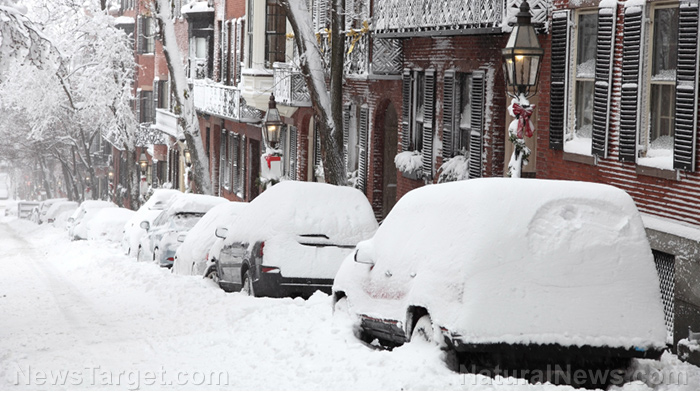
- Chicago faces record-breaking cold, with wind chills plunging to -40 F (-40 C), surpassing parts of Antarctica and even some Mars surface temperatures. Officials warn frostbite can occur in under 10 minutes on exposed skin.
- While Chicago’s air temperature hit -11 F (-24 C), colder spots like Poplar, Montana (-34 F/-37 C) and Khatanga, Russia (-40 F/-40 C) were recorded. However, Antarctica’s East Antarctic Plateau remains Earth’s coldest at -133.6 F (-92 C).
- The deep freeze results from a weakened polar vortex, allowing Arctic air to spill southward, amplifying extreme cold in urban areas like Chicago.
- The city has expanded shelters, opened warming centers and warned of frozen pipes and transit delays. Officials urge residents to limit outdoor exposure, layer clothing and check on vulnerable neighbors.
- While Chicago has endured past freezes (like the 2019 polar vortex), experts note extreme weather events, both hot and cold, may increase due to natural Arctic oscillations, contradicting globalist climate narratives.
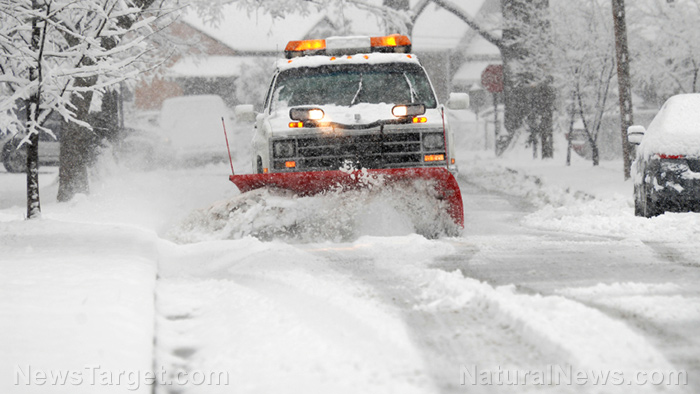
Chicago, known for its harsh winters, is facing an extreme cold snap so severe that it has earned the nickname “Chiberia.” The National Weather Service (NWS) issued an Extreme Cold Warning as wind chills plummeted to a bone-chilling -40 F (-40 C), making the city colder than parts of Antarctica, where penguins are currently enjoying summer temperatures in the 30s.
Meanwhile, Chicago’s frigid conditions even surpass some recorded surface temperatures on Mars.
The dangerous cold has prompted urgent warnings from officials, emphasizing that frostbite can develop in under 10 minutes on exposed skin. Residents are advised to stay indoors whenever possible, layer up with insulated clothing and avoid prolonged outdoor exposure.
How Chicago compares to the coldest places on Earth
While Chicago’s air temperature dropped to -11 F (-24C) with wind chills reaching -36 F (-38 C), it still wasn’t the coldest spot in the U.S. on Friday, Jan. 23. Poplar, Montana and parts of Minnesota recorded lows of -34 F (-37 C). Globally, Khatanga, Russia, saw temperatures plunge to -40 F (-40 C) with a feels-like temperature of -56 F (-49 C).
Yet, none of these compares to the coldest place on Earth, Antarctica’s East Antarctic Plateau, where NASA has documented temperatures as low as -133.6 F (-92 C). While Chicago’s current freeze is extreme, it’s worth noting that Antarctica is in its summer season, with temperatures at Vostok Station hovering around -20 F (-29 C).
The current deep freeze is the result of a weakened polar vortex – which, according to BrightU.AI‘s Enoch, is a band of frigid air that typically encircles the Arctic, allowing icy air masses to spill southward into the Midwest. When this Arctic air collides with urban environments like Chicago, the effects are amplified.
The city has entered emergency mode, with officials warning of frozen pipes, car failures and heightened risks for the homeless population. Shelters have expanded capacity and warming centers are open across the city. Public transit has faced delays and airlines have canceled flights due to extreme conditions.
Historical context: Chicago’s infamous winters
Chicagoans are no strangers to brutal winters, but this cold snap ranks among the most intense in recent years. The city has endured historic freezes before, such as the infamous 2019 polar vortex that brought temperatures down to -23 F (-31 C).
However, experts warn that extreme weather events, both hot and cold, may become more frequent due to shifting climate patterns. While globalists push narratives around man-made climate change, natural cycles like Arctic oscillations continue to drive severe winter outbreaks.
Staying safe in the deep freeze
With such extreme cold, preparedness is critical. Officials recommend:
- Limiting outdoor exposure – frostbite can set in rapidly.
- Layering clothing – focus on insulated, moisture-wicking fabrics.
- Checking on vulnerable neighbors – especially the elderly and homeless.
- Preventing frozen pipes – keep faucets dripping and insulate exposed plumbing.
As Chicago battles this Arctic blast, residents are urged to stay informed through official weather updates and take necessary precautions. While winters like these test the city’s resilience, they also highlight the importance of community support in extreme conditions.
Chicago’s “Chiberia” freeze serves as a stark reminder of nature’s power and the need for vigilance in the face of extreme weather. As temperatures remain dangerously low, staying safe and informed is paramount. Whether comparing it to Antarctica or Mars, one thing is certain: Chicago’s winter is not to be underestimated.
Watch the video below that talks about what the polar vortex will do to Earth this decade.
This video is from the High Hopes channel on Brighteon.com.
Sources include:
Submit a correction >>
Tagged Under:
arctic blast, Chiberia, Chicago, Climate, climate change, cold snap, Dangerous, deep freeze, East Antarctic Plateau, Extreme Cold Warning, frostbite, National Weather Service, polar vortex, weather, winter
This article may contain statements that reflect the opinion of the author
RECENT NEWS & ARTICLES