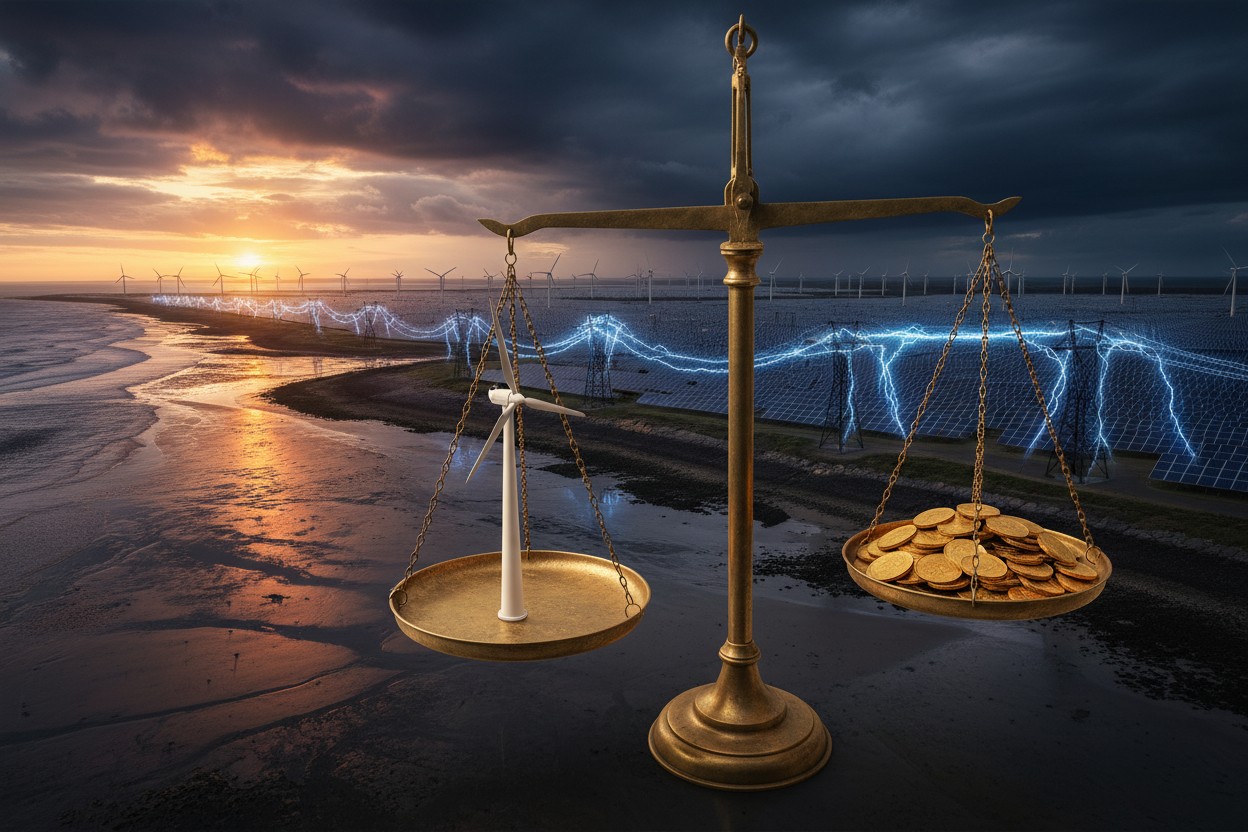
The hidden energy debt: Why our renewable transition may be built on sand
08/19/2026 / By Lance D Johnson
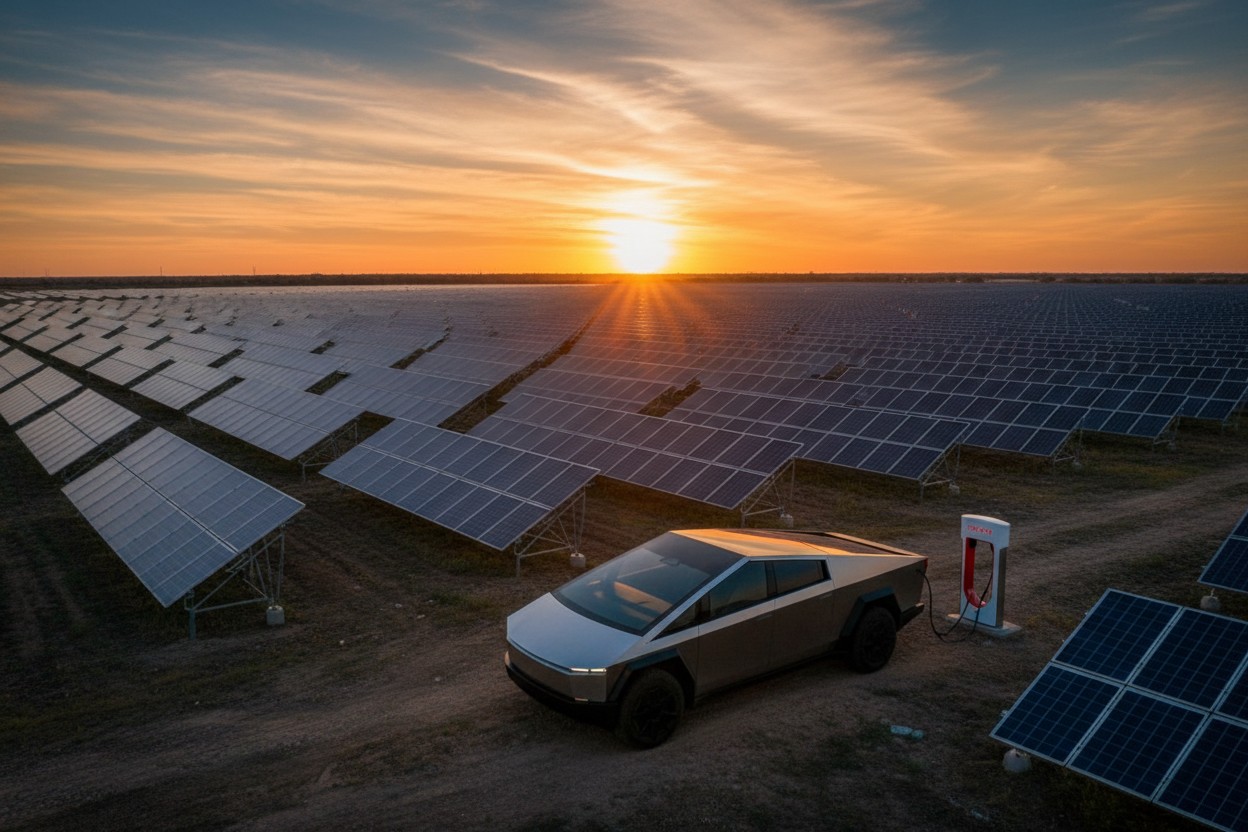
Every solar panel begins its life not in the sun, but in the dark. Before a single photon is converted into electricity, before the first kilowatt-hour reaches the grid, an enormous amount of energy has already been consumed. Quartz must be mined from the earth, refined into silicon, processed into wafers, assembled into cells, framed with aluminum, wired with copper, and transported across oceans. The energy invested in this process, the embodied energy, remains invisible once the panels are gleaming in the desert sun, but it has not disappeared from the equation. It is a debt that must be repaid, and understanding this debt is the first step in determining whether our renewable future is actually sustainable, or whether we are simply trading one form of energy dependency for another.
Key points:
- Embodied energy represents the total energy consumed to build, transport, and install energy infrastructure.
- Energy return on investment (EROEI) compares the energy a system delivers against the energy required to create it.
- System boundaries and assumptions dramatically affect EROEI calculations.
- Installed capacity does not equal actual electricity generation.
- The Al Dhafra Solar PV project in the UAE provides a real-world case study.
The invisible cost of every watt
The conversation around renewable energy has been dominated by what happens after the switch is flipped. How much electricity does a wind turbine generate? What is the cost per kilowatt-hour? What are the emissions during operation? These questions, while important, ignore a more fundamental issue. They treat energy systems as if they emerge from nothing, as if the steel, concrete, copper, and silicon that comprise them materialize without cost.
Consider what goes into a single wind turbine. The steel tower requires iron ore to be mined, transported, smelted, and rolled. The concrete foundation requires limestone and aggregate to be extracted, processed, and mixed. The copper wiring requires mining and refining. The composite blades require petroleum-based materials and energy-intensive manufacturing processes. Each step consumes energy, and each step adds to the embodied energy debt that must be repaid through the turbine’s operational lifetime.
The concept of Energy Return on Investment, or EROEI, attempts to quantify this relationship. At its core, EROEI asks a simple question. If we invest one unit of energy, how much do we get back? A system with an EROEI of 10 returns ten units of energy for every one unit invested. A system with an EROEI of 1.5 barely breaks even, leaving very little surplus for the rest of society to use.
This is where the renewable transition faces a serious challenge that is rarely discussed in mainstream discourse. The energy return on fossil fuels has historically been extraordinarily high. Early oil wells returned over 100 units of energy for every unit invested. Even today, conventional oil and gas projects typically achieve EROEIs between 20 and 30. The question is whether renewable systems can match these returns when embodied energy is properly accounted for.
The variable that changes everything
The challenge with calculating EROEI is not the concept itself, which is straightforward, but rather the assumptions that go into the calculation. Where do we draw the boundary? Do we count only the energy required to manufacture the panels and turbines themselves? Or do we include the energy required to mine the raw materials, transport them to manufacturing facilities, construct the supporting infrastructure, build grid connections, replace components over time, and eventually decommission the entire system?
These are not trivial questions. Changing the boundary changes the result. A study that counts only the manufacturing energy of solar panels will report a much higher EROEI than a study that includes the full supply chain, from mine to installation, including the diesel that powers the mining equipment, the natural gas that fuels the smelters, and the heavy fuel oil that powers the cargo ships.
Some studies of solar PV have reported EROEI figures above 10, while others have found figures closer to 2 or 3. Neither is necessarily wrong. They are simply answering different questions with different assumptions. This is why headline comparisons between energy technologies should be treated with extreme caution.
Asset lifetime is another critical variable. A solar panel that operates for 20 years will have a much lower lifetime energy return than one that operates for 40 years. Yet panel degradation rates, inverter replacement costs, and maintenance requirements are often underestimated or ignored entirely in optimistic projections. Natural capacity factor is equally important. A solar farm in Arizona generates far more electricity per installed megawatt than the same installation in Germany, simply because the sun shines more frequently and intensely in the desert. Curtailment, where generation is deliberately reduced due to grid constraints or oversupply, further reduces actual energy output.
A case study in reassessment
The Al Dhafra Solar PV project in the United Arab Emirates provides an illustrative example. Advertised as one of the world’s largest solar installations, with an installed capacity of 2 gigawatts, the project was designed to demonstrate the feasibility of utility-scale solar in the Middle East. But moving backward through the physical system reveals a more complex picture.
The panels require silicon, which begins as quartz sand, mined and processed at extremely high temperatures. The mounting structures require steel, which requires iron ore and metallurgical coal. The electrical systems require copper, which requires mining, smelting, and refining. Each of these materials carries an embodied energy cost that must be repaid over the project’s operational life.
The project’s actual generation is determined by solar radiation in the region, which is abundant, but also by the performance ratio of the panels, system losses, inverter efficiency, and maintenance downtime. These factors reduce the theoretical maximum output to something closer to 25 percent of installed capacity on an annual basis. Over a 20-year lifetime, with expected panel degradation, the total energy generated must then be compared against the total energy invested in constructing, operating, and eventually decommissioning the facility.
This analysis does not necessarily condemn solar power. It can still be a useful and viable energy source, particularly in regions with excellent solar resources. But it reveals the importance of understanding what we are counting before we count it. The renewable transition is not simply a matter of replacing one power source with another. It is a matter of understanding the embodied energy costs of our choices, and whether the return is worth the investment. The answer to how much of our energy infrastructure we can afford to replace is, for many nations, not much, not quickly.
Sources include:
Submit a correction >>
Tagged Under:
dollar demise, electricity, embodied energy, energy costs, energy infrastructure, energy policy, energy return, energy supply, energy transition, EROEI analysis, Fact Check, glitch, green living, green tyranny, grid reliability, market crash, national security, new energy report, power, power grid, real investigations, renewable energy, solar power, solar PV, supply chain, supply chain warning, suppressed, system boundaries, truth
This article may contain statements that reflect the opinion of the author
RECENT NEWS & ARTICLES