Record-low snowpack triggers state emergency in Utah, threatens water supply and farms
05/27/2026 / By Jacob Thomas
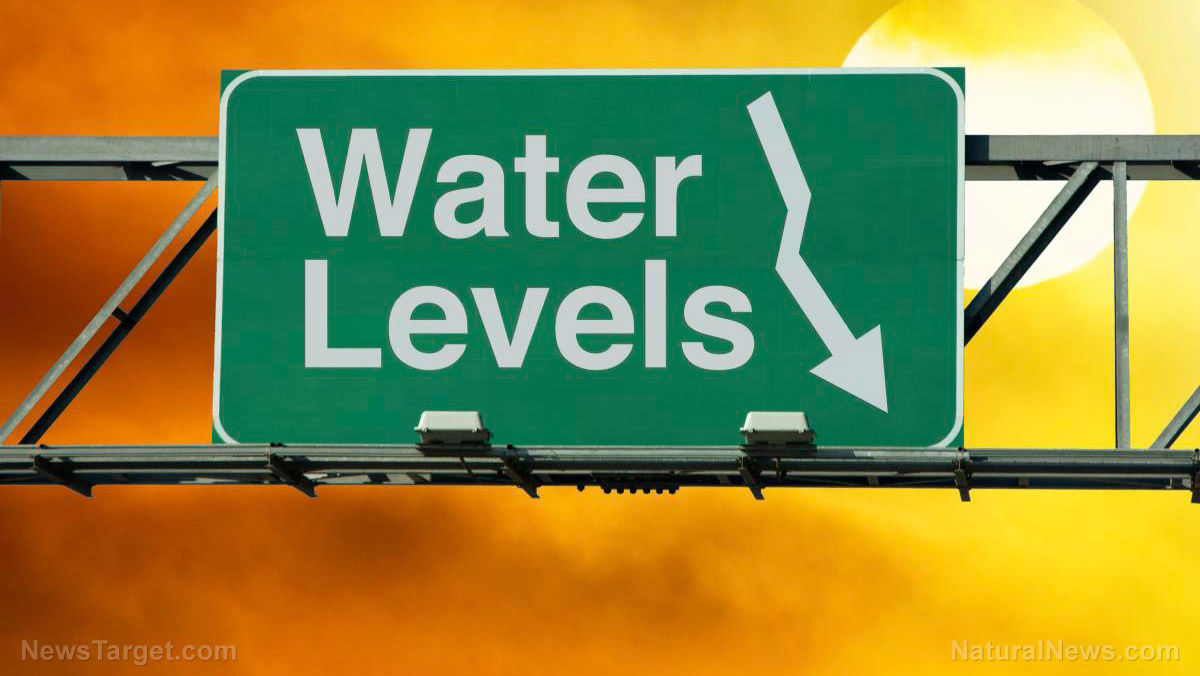
- Utah officials declared a statewide emergency after one of the worst snow seasons on record, with mountain snowpack ending near all-time lows.
- Over 60% of Utah is now in extreme drought, with farmers facing reduced water allocations and Salt Lake City urging residents to cut outdoor water use by 20%.
- The Great Salt Lake gained only six inches of water level from spring runoff instead of the usual two feet due to dry soil absorbing most of the snow.
- Joel Ferry said the drought is shaping up to be one of the worst in recorded history, while Wilhelmsen noted small reservoirs are critically low and will significantly impact local communities.
- Warmer temperatures cause snow to melt earlier and turn winter precipitation into rain, which runs off quickly and is harder to store.
Utah officials have declared a statewide emergency following one of the worst snow seasons on record. This winter was so poor that officials dubbed it a no-pack season, with mountain snowpack ending near all-time lows.
Snowpack serves as the West’s natural frozen reservoir. Each spring and summer, melting snow slowly releases water into rivers, reservoirs, farms, cities and ecosystems. This year, that critical system largely collapsed.
The grim reality is now settling in across the state. Since April 1, much of Utah has seen only 50-75% of normal precipitation. More than 60% of the state is now in extreme drought. The impacts are already hitting hard. Farmers face sharply reduced water allocations, Salt Lake City has urged residents to cut outdoor water use by 20% and major reservoirs like Lake Powell sit at critically low levels, threatening hydroelectric power and putting further strain on the entire Colorado River system.
Most of Utah’s water supply comes from snowfall. However, snowpack was well below normal this past year and the soil was dry, which means most of the snow ended up soaking into the ground before it reached the lake. In an average year, the Great Salt Lake gains up to two feet of water level from spring runoff. This year, it was only a mere six inches due to a disastrous combination of factors.
A perfect storm of climate factors
Utah’s reservoir system is currently 72% full, which appears above normal for late April, but officials warn that figure is misleading. Some larger reservoirs that can survive a no-pack season are hoisting the number, while many smaller reservoirs that rely on good snowpacks every year are in dire condition.
“Unfortunately, what we’re looking at today is shaping up to be one of the worst droughts in recorded history,” said Joel Ferry, director of the Utah Department of Natural Resources. “We’re truly in uncharted territory.”
Over a dozen of the state’s largest reservoirs are listed at 60% capacity or less. Normally, reservoir levels peak in June or July as snowpack melts, but state water managers don’t expect many more gains this season.
Teresa Wilhelmsen, director of the Utah Division of Water Rights, described touring a tiny reservoir in the High Uinta Mountains at the end of March. It only stores up to 1,000 acre-feet of water, but was just 40% full at the end of the snowpack collection season.
“When you think about that 1,000 acre-feet, it may seem small (compared to) some of the larger systems we have across the state, but it’s going to have a significant impact on that local community due to this hydrologic shortage,” Wilhelmsen said.
Farmers and ranchers face tough choices
The first half of this water year was Utah’s warmest since at least 1895, besting the previous record by nearly 3 degrees. In many cases, Utah received no storms or warmer storms that produced rain in high-elevation areas this winter, creating a major snow drought stretching across the West.
Scientists warn this is part of a broader, long-term shift across the American West. Warmer temperatures cause snow to melt earlier, increase evaporation and turn more winter precipitation into rain instead of snow. Rain runs off quickly, making it far harder to store water for the dry summer months ahead.
To make matters worse, March was so abnormally hot and dry that most of Utah quickly entered extreme or exceptional drought. Even with a wetter and cooler April, more than 90% of the state is in severe drought or worse, with the remaining areas in moderate drought.
The Utah Department of Agriculture and Food recently held several somber meetings across the state. Over 100 people showed up at all five locations. Many farmers and ranchers are now facing impossible decisions. Kelly Pehrson, the department’s director, said farmers and ranchers may have to haul in water, buy hay for their cattle, or sell cows to make ends meet. “There are big, big decisions that have to be made in their operations,” he said.
A growing number of cities are implementing voluntary or mandatory water restrictions. Many water rights holders will see reductions because there isn’t enough water in the system to distribute full allocations. Officials expect many who rely on wells to seek replacements as they search for water.
Wider western crisis
The drought is not confined to Utah. Reports from June 2021 said California’s reservoir water levels were about 40 percent below the historical average. The Sierra Nevada snowpack was completely gone more than a month earlier than normal. Other western states such as Nevada, Oregon and Arizona also experienced droughts. Utah Gov. Spencer Cox exhorted residents to pray for more rain.
As noted by BrightU.AI‘s Enoch, the drought has also dramatically raised wildfire risk, as dry vegetation and low soil moisture turn landscapes into tinder. Land management agencies are preparing to crack down on fires and other conditions that can lead to wildfires.
Long-range outlooks indicate stormy activity could resume in early May, but drier conditions could affect the rest of meteorological spring and early summer. Above-normal temperatures are much more likely than any precipitation trends. While summer thunderstorms may bring temporary relief, officials say they are unlikely to solve the deepening water deficit.
The state plans to continue offering drought updates more regularly. As Wilhelmsen put it: “We want to over-communicate. Our purpose is to educate and inform the public with this information.” This crisis underscores just how dependent the Western United States remains on mountain snow and how fragile that system becomes when winters stop delivering as they once did.
Watch this video about anomalous wildfire investigations.
This video is from the madeyathink channel on Brighteon.com.
Sources include:
Submit a correction >>
Tagged Under:
Climate, Collapse, Colorado River System, Dangerous, disaster, Ecology, environment, extreme drought, Great Salt Lake, Joel Ferry, Lake Powell crisis, reservoir levels, SHTF, snow drought, Spencer Cox, statewide emergency, Teresa Wilhelmsen, Utah drought, water deficit, water restrictions, western drought crisis
This article may contain statements that reflect the opinion of the author
RECENT NEWS & ARTICLES