The quiet death of the British family farm
12/01/2025 / By Willow Tohi
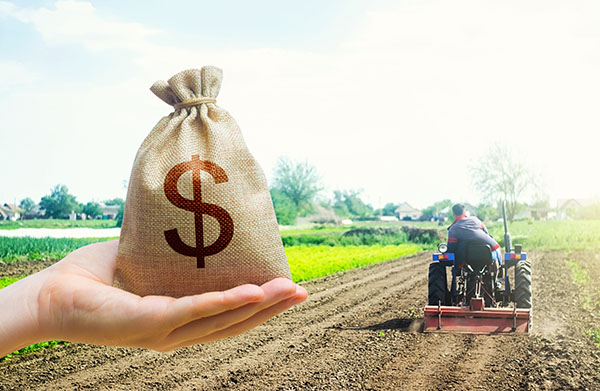
- The U.K. government is implementing inheritance tax reforms that cap long-standing relief for family farms.
- Critics argue the policy forces the breakup of multigenerational farms to pay large tax bills, leading to a surge in farmland sales.
- The changes incentivize converting productive agricultural land into solar farms, wind projects and rewilded estates for tax efficiency.
- This shift threatens domestic food security, with Britain’s food self-sufficiency already declining.
- The policy is projected to raise £520 million annually for the Treasury but could add hundreds of pounds to household food bills.
In a move that is reshaping the British countryside, the government is proceeding with inheritance tax reforms that critics label a “net zero death duty.” The policy, which caps a 40-year relief for agricultural land, is forcing multigenerational family farms onto the market. The resulting land rush is not being led by neighboring farmers, but by institutional investors seeking to convert prime farmland into solar arrays, wind farms and rewilded carbon sinks, raising profound questions about national food security and the true cost of environmental policy.
A system stacked against succession
For four decades, 100% relief from inheritance tax allowed family farms to pass seamlessly between generations. That system changes on April 6, 2026. The new rules cap relief at £1 million of combined agricultural and business property value per person. Above that threshold, relief plummets to 50%, creating an effective 20% tax on the excess, payable interest-free over ten years. The Treasury defends the change as a “modest tidying-up exercise” targeting wealthy non-farmers who use land for tax avoidance, estimating only 520 estates annually will be affected, raising £520 million to help fund environmental schemes.
The human cost, however, is already being counted. The tragedy of John Charlesworth, a 78-year-old South Yorkshire farmer who took his own life fearing his family could not pay the impending tax on their 200-acre farm, stands as a stark example of the policy’s personal toll. While a single tragedy does not define a policy, it highlights the immense pressure on a sector already grappling with high costs and volatile markets.
The crushing math of modern farming
The government’s portrayal of affected landowners as absentee asset-hiders is challenged by market data. A typical 350-acre mixed farm in the Midlands or North can be valued between £3.5 million and £4.8 million, yet its annual net profit often hovers between £30,000 and £60,000. Under the new rules, a £4.8 million estate faces a tax bill of approximately £760,000, or £76,000 per year for a decade—a sum that often exceeds the farm’s actual annual profit.
Analysis from CenTax reveals the policy disproportionately impacts working farmers. While non-farming landowners constitute 64% of all farm estates, they account for only 42% of those losing full relief. Dairy farms are particularly vulnerable, with 87-90% exceeding the £1 million threshold when herds and buildings are included. The market has reacted swiftly: 187,500 acres of farmland were publicly marketed in 2024, a 19% annual increase and the highest figure recorded by Savills in its current data series.
From food baskets to carbon sinks
As farms are broken up to pay tax bills, the land is not going to the next generation of farmers. Institutional buyers—pension funds, investment managers and natural-capital vehicles—accounted for a record 42% of farmland transactions in 2024. The policy actively incentivizes this shift. Since April 2025, full agricultural property relief has been extended to land enrolled in government-approved environmental schemes, including carbon-credit agreements. A farmer growing food on land valued over £1 million loses half the relief, but planting trees or selling carbon credits retains the full relief.
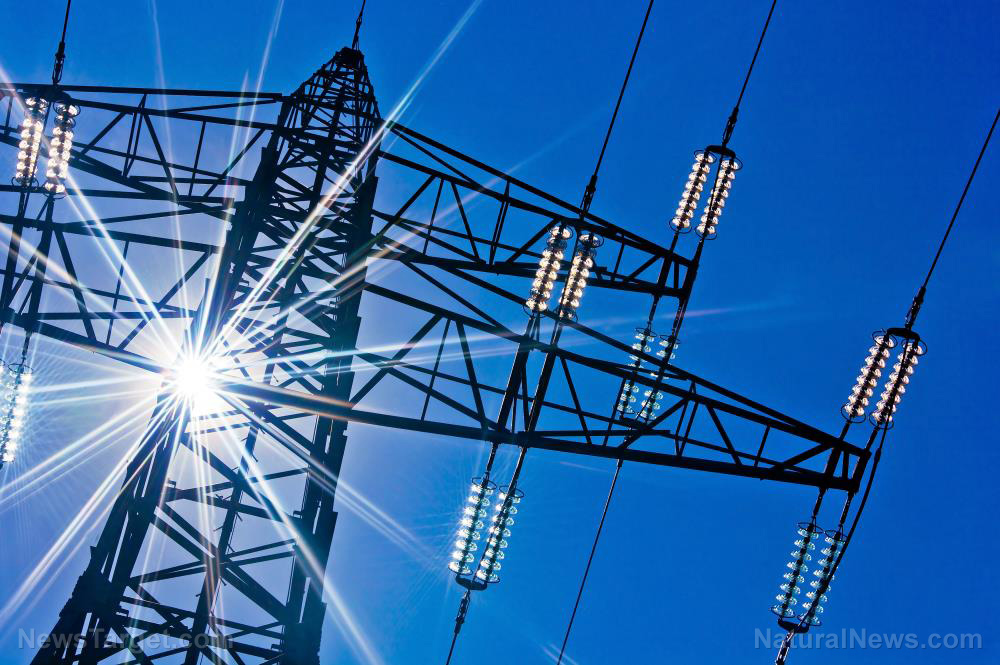
This creates a powerful economic signal to take land out of food production. The government’s own “Clean Power 2030” target could require up to 200,000 hectares for solar farms alone, with leases paying three to four times the income from crops. The Treasury’s inheritance tax reform, which helps fund the £5 billion Environmental Land Management budget, is effectively using revenue from breaking up farms to subsidize the conversion of farmland into non-agricultural uses.
A bitter reckoning at the checkout
The ultimate consequence of this land-use shift is a threat to domestic food production. Britain currently produces about 62% of its food, with self-sufficiency in fresh vegetables at 53% and fruit at a mere 16%. The All-Party Parliamentary Group on Science and Technology in Agriculture has warned that domestic production could fall by as much as 32% by 2050. This decline will inevitably be felt by consumers. Food price inflation was running at 4.9% in October 2025, with projections suggesting the policy environment could add between £400 and £600 to the average household’s annual food bill.
The arithmetic becomes starkly regressive: for every £1 the Exchequer gains from this reform, households stand to lose between £22 and £33 at the supermarket checkout. An alternative proposal from the National Farmers’ Union, modeled on systems in France and Germany, suggested keeping 100% relief but clawing back the tax if assets were sold within seven years. The Treasury rejected it without explanation.
Sowing uncertainty, harvesting decline
The inheritance tax change is not the only pressure on British farming, but evidence from the past year confirms it is a powerful accelerant in the transfer of productive land from food to carbon. The policy choices being made today are systematically dismantling an agricultural heritage that has sustained the nation for generations. As more farmland is converted to host solar panels and carbon credits, the nation moves toward a future where its food supply is increasingly outsourced and its rural communities transformed. The final cost of this “net zero death duty” will be measured not just in lost farms, but in higher prices and a less secure Britain.
Sources for this article include:
Submit a correction >>
Tagged Under:
big government, climate change, Collapse, crops, debt collapse, farmland, food collapse, food producers, food production, food supply, Green New Deal, green tyranny, harvest, independent nation, Inheritance Tax, insanity, Tyranny, United Kingdom
This article may contain statements that reflect the opinion of the author