Antarctic ozone hole closes early, marking steady progress toward full recovery
12/03/2025 / By Cassie B.
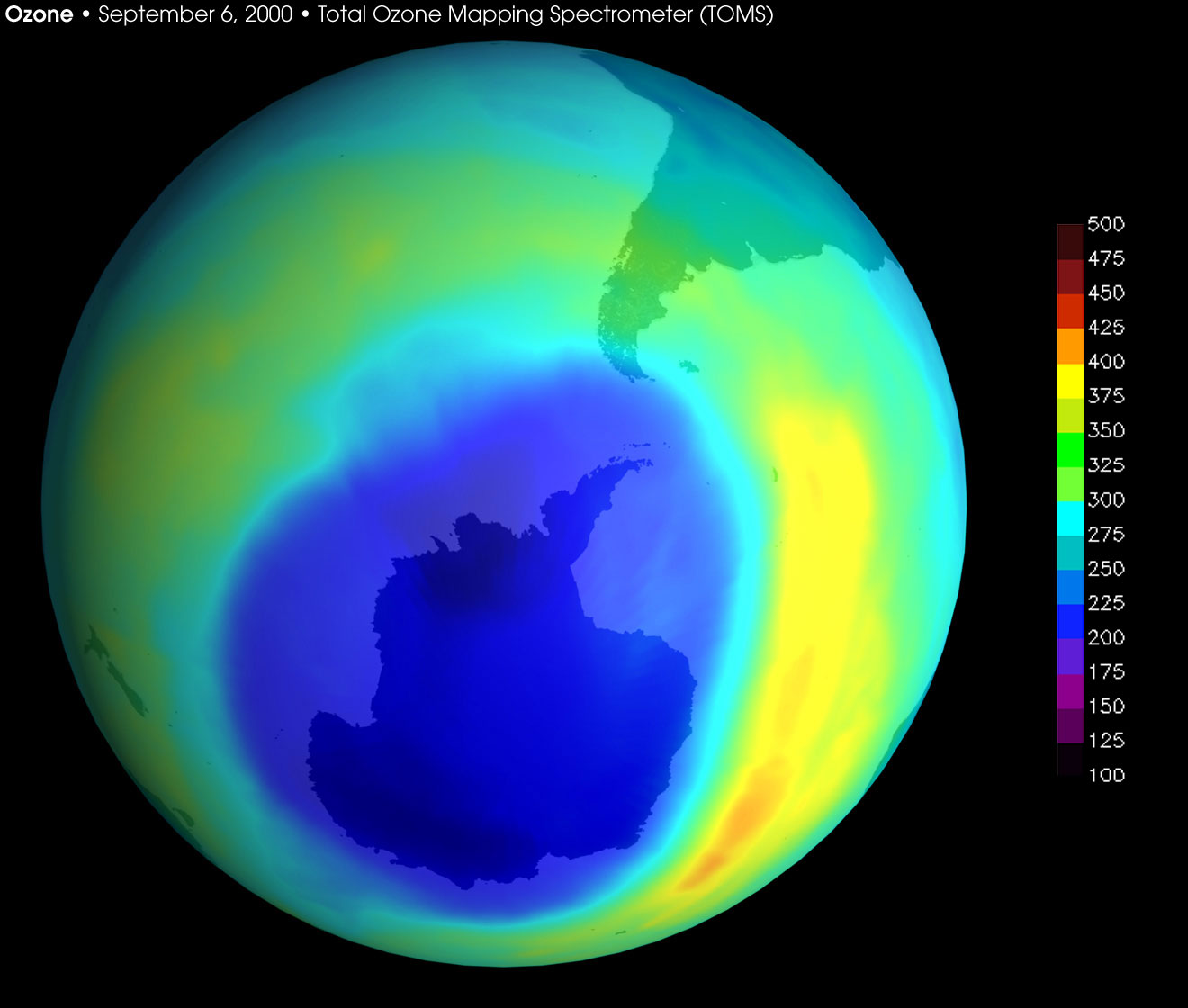
- The Antarctic ozone hole closed earlier and was smaller than recent averages.
- This marks a definitive victory for the Montreal Protocol’s global chemical ban.
- Scientists confirm a steady, year-on-year recovery of the protective ozone layer.
- Full recovery is a slow process and is projected to occur around mid-century.
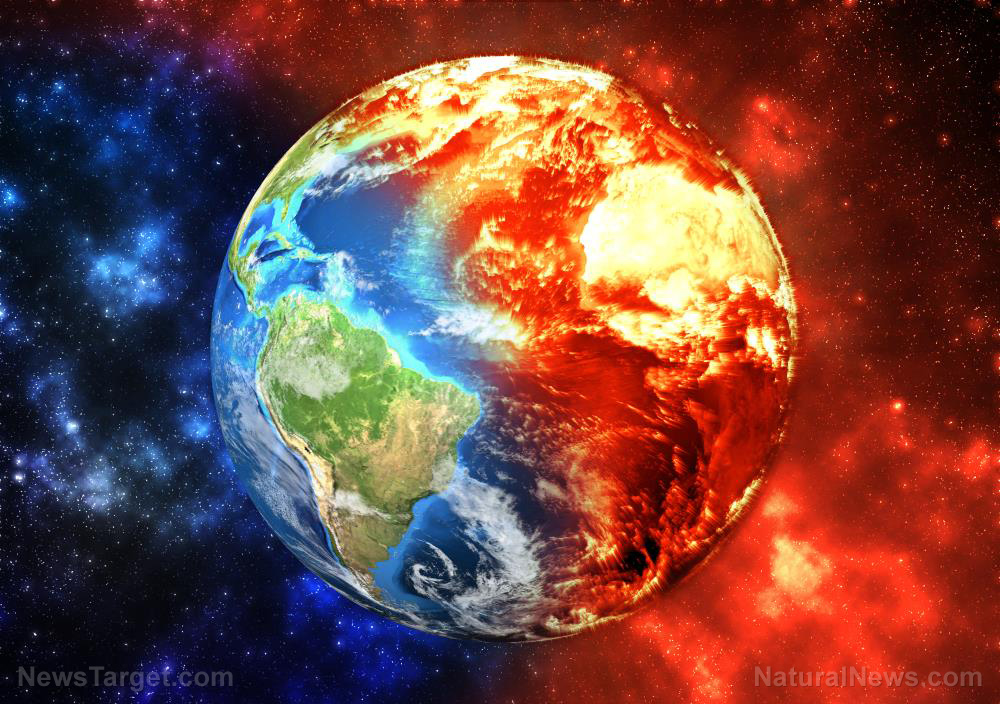
While the mainstream media focuses on dire environmental forecasts, a genuine good news story is emerging from the bottom of the planet. The protective ozone layer over Antarctica, once the poster child for human-caused ecological damage, is showing clear and encouraging signs of healing. Fresh data reveals that the annual ozone hole closed on December 1, 2025, marking its earliest closure since 2019. At its peak this season, it was the smallest observed in five years. This marks the second consecutive year of relatively small holes, a trend scientists are calling a definitive victory for international cooperation and a testament to the power of principled policy.
This progress is not an accident. It is the direct result of the landmark Montreal Protocol, an international treaty signed in 1987 that successfully phased out the production of ozone-depleting chemicals like chlorofluorocarbons (CFCs). For decades, these human-made compounds, once common in refrigerants and aerosols, ate away at the stratospheric shield that protects all life on Earth from harmful ultraviolet radiation. The discovery of the gaping hole over Antarctica in the 1980s served as a serious warning. Today, its steady shrinkage serves as a powerful rebuttal to the notion that global environmental agreements are futile.
A reassuring sign of recovery
The Copernicus Atmosphere Monitoring Service (CAMS) confirmed the hole’s early demise and its reduced maximum size of 8.13 million square miles. Dr. Laurence Rouil, director of CAMS, called the development “a reassuring sign.” He stated it “reflects the steady year-on-year progress we are now observing in the recovery of the ozone layer.” This sentiment is echoed by NASA and the National Oceanic and Atmospheric Administration, which ranked the 2025 ozone hole as the fifth smallest since 1992. Paul Newman, leader of the ozone research team at NASA’s Goddard Space Flight Center, noted the holes are now “forming later in the season and breaking up earlier.”
The data provides a measurable counterpoint to the fear-driven narratives that often dominate ecological discussions. It proves that when nations identify a clear problem rooted in actual science and agree to take concrete action against the root cause, positive change is not only possible but achievable. The Montreal Protocol stands as a historic example of global consensus acting to safeguard public health and the planetary ecosystem from a verified man-made threat.
The long road to healing
While the trend is positive, scientists are careful to temper celebration with realism. The recovery is a slow process because the banned chemicals persist in the atmosphere for decades. Newman cautioned, “We still have a long way to go before it recovers to 1980s levels.” Current projections estimate a full recovery of the Antarctic ozone layer could occur between 2050 and 2066. This timeline underscores that repairing environmental damage requires patience and sustained commitment.
The recent progress also helps contextualize the unusually large and persistent ozone holes observed from 2020 to 2023. Scientists believe specific events, like the massive Hunga Tonga volcanic eruption in 2022, contributed to those larger holes by injecting material into the stratosphere. The return to a smaller hole in 2025 suggests the underlying recovery trajectory remains robust despite such temporary natural disruptions. It demonstrates the resilience of natural systems when the primary anthropogenic pressure is removed.
The gradual closing of the ozone hole over Antarctica is more than a scientific footnote. It proves that humanity can indeed correct its course when presented with clear evidence, and that the natural world possesses a remarkable capacity to heal when given the chance. As we face other complex environmental challenges, this decades-long effort to mend our planetary sunscreen stands as a critical reference point, demonstrating that the most essential ingredient for success is not panic, but persistent and principled action.
Sources for this article include:
Submit a correction >>
Tagged Under:
CFCs, cosmos, Earth, Ecology, ecosystem, environ, environmental victory, Globalism, ozone layer, progress, radiation, Space
This article may contain statements that reflect the opinion of the author