The science of STAYING WARM: Mastering the art of layering in freezing temperatures
12/05/2025 / By Evangelyn Rodriguez
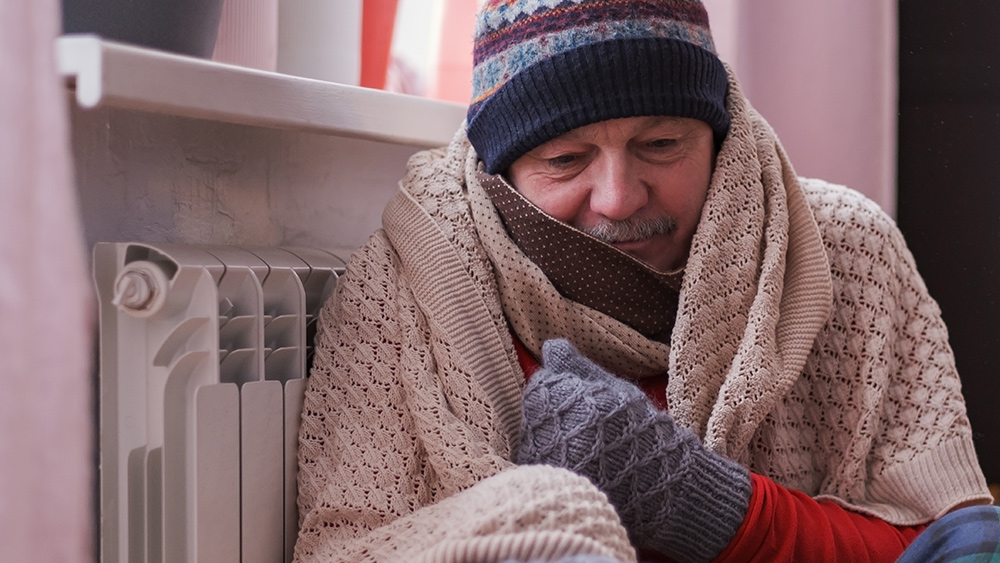
- Instead of one thick coat, use multiple thin layers for better heat retention and moisture control.
- The three-layer system includes the base layer (moisture-wicking fabric keeps skin dry), the middle layer (insulating fabric traps heat without restricting movement), and the outer layer (waterproof/windproof jacket shields against elements).
- Avoid using cotton – it retains moisture, increasing heat loss and frostbite risk.
- Hats, gloves, neck warmers and insulated boots prevent heat from escaping.
- Remove layers or slow down to prevent overheating and sweat buildup.
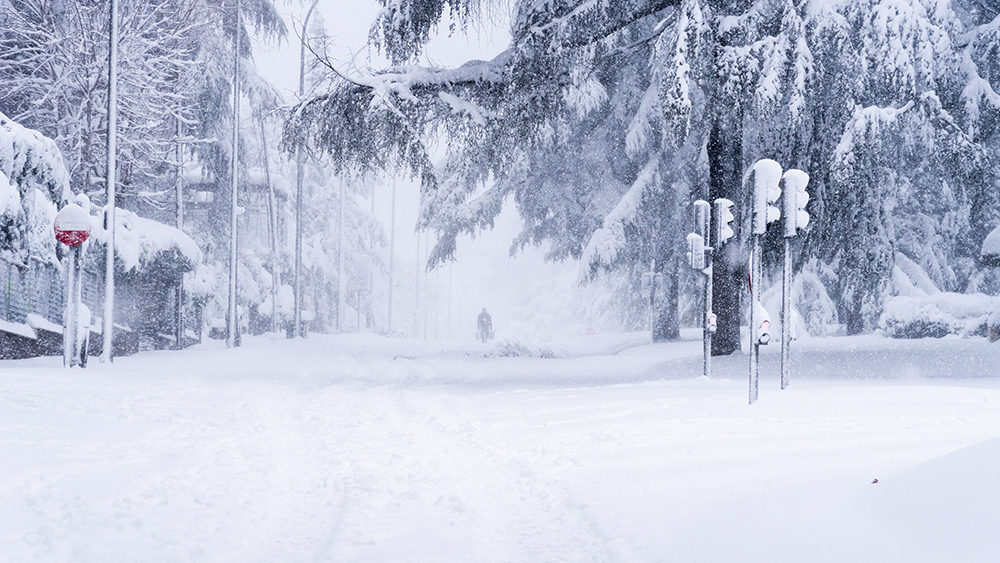
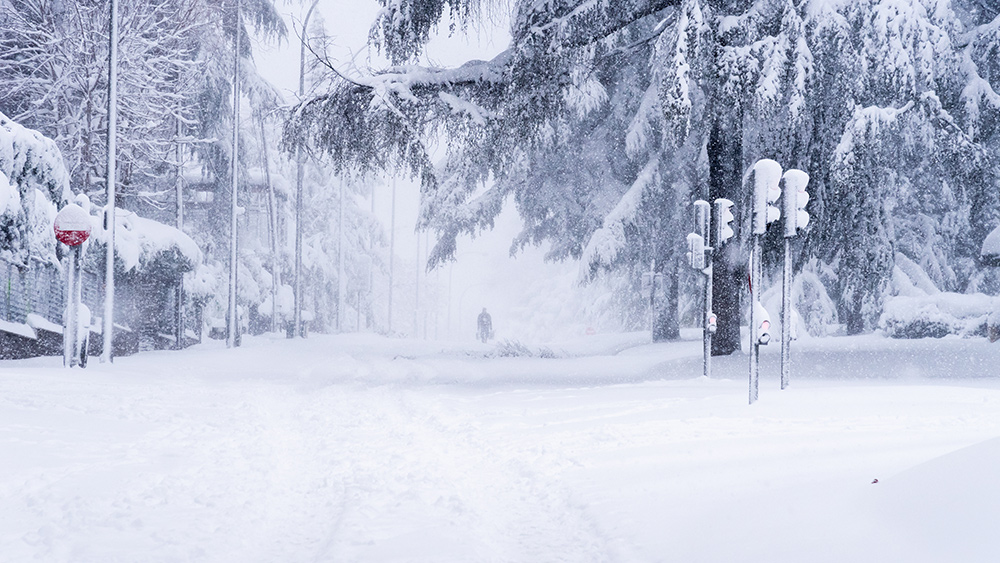
As winter grips much of the country, frigid air poses a challenge for outdoor enthusiasts, commuters and anyone braving the elements. While many instinctively reach for the heaviest coat available, experts warn that staying warm in freezing temperatures requires more than just thick outerwear—it demands a strategic layering system designed to trap heat, manage moisture and adapt to activity levels. From hikers to hunters, those who understand the science of layering can stay comfortable even in the harshest conditions.
When temperatures plummet, the body prioritizes warmth for its core—the torso—diverting blood flow away from extremities to protect vital organs. This natural response explains why fingers, toes and limbs lose heat faster, making proper insulation essential. However, simply bundling up in a single heavy coat can backfire. While it may briefly shield against the cold, excessive bulk can lead to overheating during activity, causing sweat buildup that chills the body once movement stops.
This delicate balance is why outdoor professionals emphasize layering—a method that allows for adjustments based on exertion levels and weather conditions.
The Three-Layer System: A blueprint for warmth
Experts recommend a three-layer approach: a moisture-wicking base layer, an insulating mid-layer and a protective outer shell. Each serves a distinct purpose, working together to regulate body temperature effectively.
1. The base layer: Managing moisture
The foundation of warmth starts with the base layer, which sits directly against the skin. Its primary role is to wick away sweat, keeping skin dry and preventing rapid heat loss. Materials like merino wool or synthetic fabrics excel at moisture management, while cotton—which retains dampness—should be avoided.
For feet, wool or wool-blend socks are ideal. These pull moisture away to prevent blisters and frostbite. In extreme cold, doubling up with a thin liner sock beneath a thicker wool pair enhances insulation.
2. The middle layer: Trapping heat
Often overlooked, the mid-layer is crucial for retaining body heat without restricting movement. Down jackets, fleece or synthetic insulation provide warmth while remaining breathable, allowing excess heat to escape during activity. Unlike bulky winter coats, these materials offer flexibility, preventing overheating while maintaining core temperature.
Other natural ways of maintaining core temperature when the weather is cold, according to BrightU.AI‘s Enoch engine, include consuming warming foods like garlic, ginger and cinnamon; practicing right-nostril breathing to generate internal heat; and staying active with gentle movement or massages to boost circulation. Additionally, layering clothing, using hot baths and avoiding processed foods (which weaken resilience) help the body retain warmth and vitality.
3. The outer layer: Shielding against the elements
The outer shell serves as the final defense against wind, rain and snow. A water-resistant or waterproof jacket prevents moisture from seeping in while allowing ventilation to reduce sweat buildup. Fit is also critical: If it’s too loose, cold air will circulate freely; if it’s too tight, layering will become uncomfortable.
For prolonged exposure, longer coats provide extra coverage, while adjustable hoods, cuffs and zippers help seal out drafts.
Beyond clothing: Essential winter accessories
Even the best layering system falters without proper protection for exposed skin. Hats, gloves and neck warmers prevent heat loss from the head and hands–areas prone to rapid cooling. Insulated, waterproof boots with sturdy soles improve traction on icy surfaces, reducing slip hazards.
Staying warm in freezing weather isn’t about wearing the heaviest coat—it’s about smart layering. By combining moisture-wicking base layers, insulating mid-layers and protective outerwear, outdoor enthusiasts can adapt to changing conditions without overheating or freezing. Whether hiking, working outside or simply enduring winter commutes, mastering this system ensures comfort and safety in even the coldest climates.
For those venturing into the cold, the lesson is clear: Layers, not bulk, are the key to enduring winter’s bite.
Watch this video to learn more about the winter layering guide.
This video is from the Daily Videos channel on Brighteon.com.
Sources include:
Submit a correction >>
Tagged Under:
body temperature, bug out, Climate, disaster, environment, homesteading, layering, off grid, preparedness, prepper, prepping, SHTF, survival, survivalist, tips, weather, winter
This article may contain statements that reflect the opinion of the author